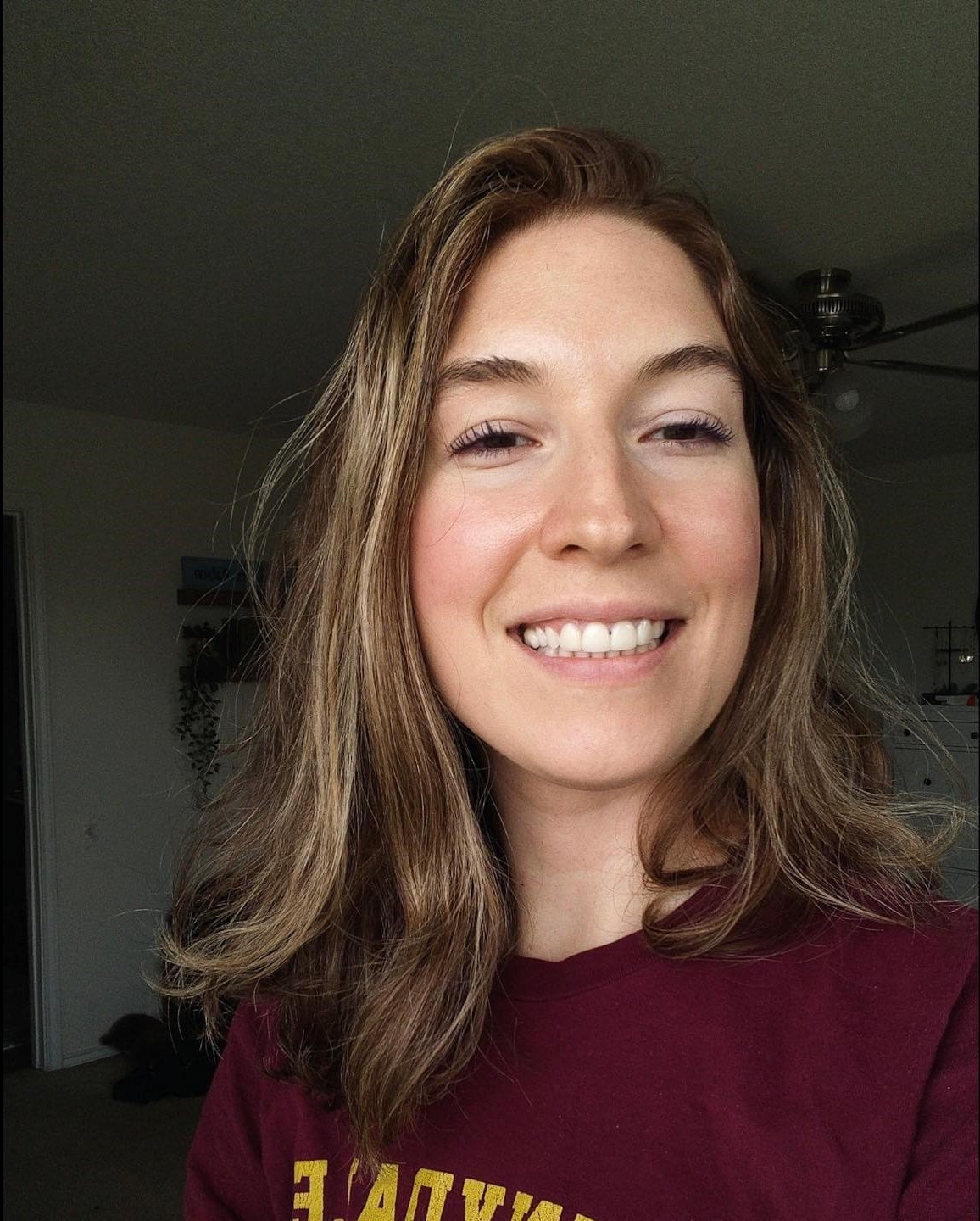
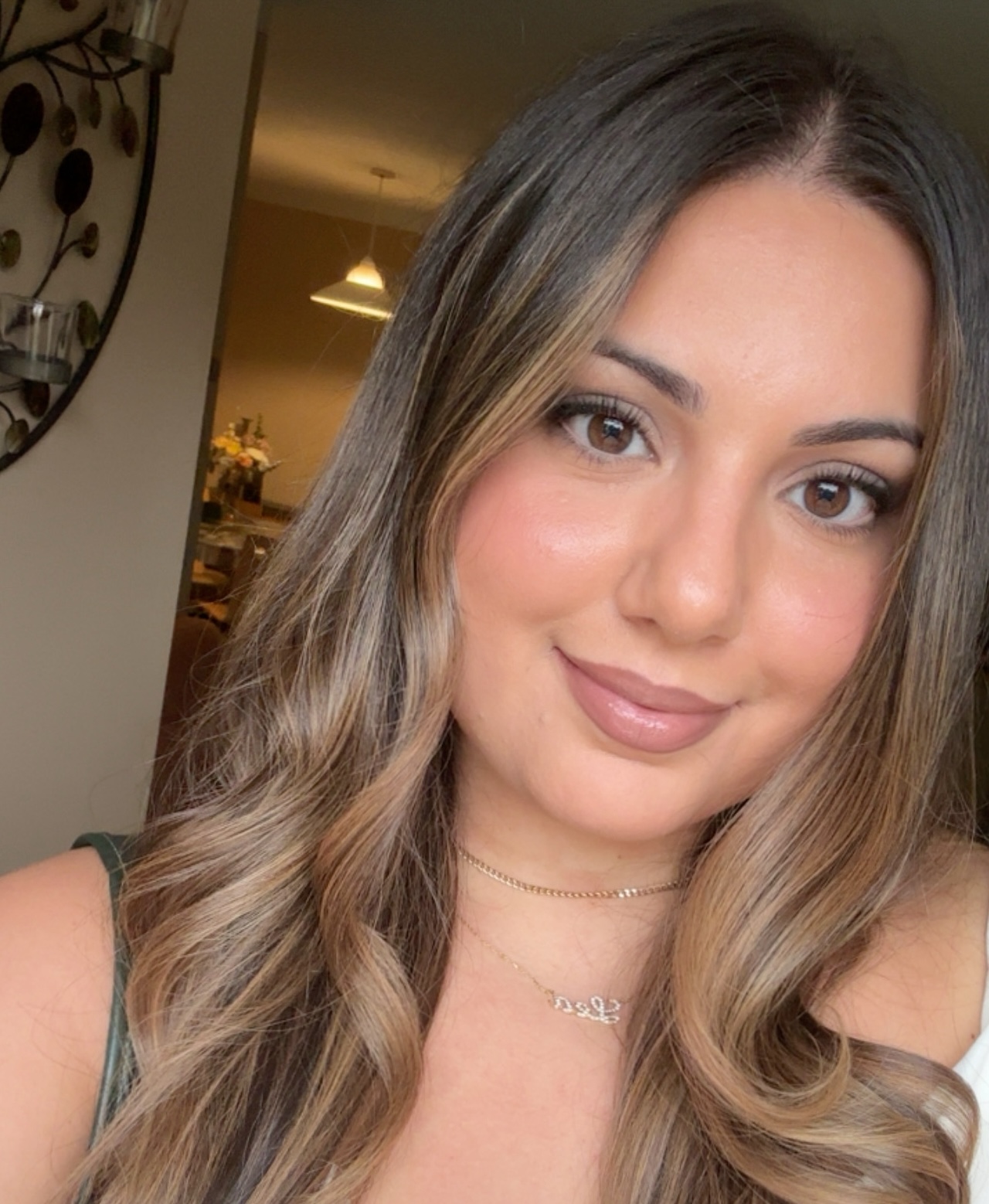
[00:00:05] Speaker A: Welcome to Investigating a Movie and Television rewatch podcast, where we're currently analyzing each episode of Stranger Things with no spoilers. We are your hosts, Leah and Sarah.
[00:00:16] Speaker B: And if you love Stranger Things, this is the podcast for you.
[00:00:43] Speaker A: Hey, guys. I feel like. I don't know why every time I start, I'm always like, you're like. I'm like. I really am confident. I'm, like, so excited. Hi, friends. I feel like I should be like, hey, nerds. Now that we're, like, starting Stranger Things. That's the thing. Like, hey, nerds. Hey, nerds.
[00:00:59] Speaker B: Hey, losers.
[00:01:00] Speaker A: Hey, losers. A bunch of geeks.
[00:01:02] Speaker B: No, that's. That's it. That's. Welcome to Derry, the Losers Club. That's not wrong.
[00:01:08] Speaker A: Wrong Nerds. Wrong Nerds is very Stranger Things. Like, the. The official book that I've been, like, reading that kind of gave me a lot of information that we're going to talk about today.
They start off with, like, hey, nerds. And stuff.
[00:01:20] Speaker B: And we're back, baby.
[00:01:22] Speaker A: Yeah.
[00:01:22] Speaker B: And we're. Yeah, she has books.
[00:01:25] Speaker A: Oh, yeah, we're back, guys. Also, Hi, everybody. Can you.
We're starting a new. Well, not a new podcast. It's still the same podcast.
[00:01:33] Speaker B: New journey.
[00:01:34] Speaker A: We're new. A new journey. But, guys, I got so many books. I got so many books.
[00:01:38] Speaker B: She has a lot of books.
[00:01:39] Speaker A: It's like I have seven of them.
[00:01:41] Speaker B: And I have none of them.
[00:01:43] Speaker A: That's okay. It's all right. Anyway, hello, guys. We are back and so ready to start talking about Stranger Things. So ready to start podcasting again. I. I personally feel a little rusty, so give me a couple episodes to, like, grease my wheels and get going.
But we figured for this first episode, for those of you who have followed us along since we talked about angel, you guys kind of know roughly what this episode's going to be about. We're going to kind of reintroduce ourselves, talk a little bit about the format of the podcast going forward, what you can expect, and then we're going to talk a lot about, or at least I'm going to talk a lot about. Leia's going to sit there and nod and go, wow. And interject it. Appropriate times and also inappropriate times, if you know her.
But I want to talk a lot about, like, how the Duffers came to this idea. Idea. Kind of the process that came with making it and all that stuff. But for now, let's discuss. Well, first of all, let's reintroduce ourselves. So, Leia, you want to start us off and tell us about yourself and kind of why you like Stranger Things.
[00:02:48] Speaker B: Oh, okay, sure. Well, I'm Leia, not Leah. Not to be confused with Leah from Becoming Buffy, which, yeah, my sister, if you're listening to this podcast.
[00:02:59] Speaker A: It's true.
[00:03:00] Speaker B: But, yeah, my name is Leia. I am Canadian. I live in Canada. I'm also Lebanese.
I'm. Are we saying our age? I'm 32.
[00:03:10] Speaker A: You can say whatever.
[00:03:11] Speaker B: Brown hair, brown eyes.
My taste in music varies.
But no Stranger Things.
Why do I love Stranger Things? I just think it's. It's a fun show.
I'm a huge fan of horror, so that is definitely an aspect that I think, like, interested me when the show first came out, because obviously I watched it as it was airing and I've never watched it again. So the last time I saw season one was when it first came out 10 years ago.
[00:03:46] Speaker A: I know. I'm so excited to rewatch it with you. It's really fun.
[00:03:50] Speaker B: Very excited. But, yeah, I'm just. I'm a huge fan of horror, I think. You know, I love things that are, like, set in, like, back in time, like the 80s or the 90s. I just think are, like, such a fun time to, like, have a movie or a movie or a show set in.
And, yeah, I just think it's a great show. And, you know, the season five finale just aired, like, the show's done now, so I just thought this is a great time to go back and revisit the show from the beginning now, knowing what happens at the very end. So I'm, like, very excited to do that. And that's me.
[00:04:27] Speaker A: I'm Sarah.
I am from the United States. Unfortunately, right now it feels like that I'm actually originally from. Sorry, not to, like, make it. Make it a bummer. No, I'm originally from Los Angeles, and if you've listened to Becoming Buffy, my Buffy podcast that I share with Tabby and Leah, you'll hear us talk about LA all the time. They still live back there. So I consider myself really a Californian at heart, even though now I live in Ohio with my husband and my kids.
And, yeah, I love podcasting. I have loved talking about Buffy, I've loved talking about angel, and I'm really excited to talk about Stranger Things. It's probably the show I've seen the most, apart from Buffy and Angel.
I've seen it, like, five, six, seven times. Different seasons, different orders. Just because every time a new season would come out, we'd rewatch the show and stuff.
Um, so I feel like I've seen it a lot recently, but I'm very excited to kind of go through it on a deeper level.
Um, it's very Buffy and Angel esque with the teens, the kids, the monsters, the nerdiness, the found family feel. The themes of being kind of an outcast and finding your place in the world, I feel like, are very relevant to Buffy. It feels very familiar in a lot of ways, but it's also very different. And I'm very excited to talk about those differences.
And I think one of the things I'm really excited about and that I hope we'll kind of discuss a little bit more, is the way that this show has kind of changed streaming and television and even just, like, going to see movies in the theater, like, for. For both good and bad.
I think that's going to be really interesting to kind of discuss how things have just changed in the 10 years since it first came out. And I think that's part of the fun, like you were saying about talking about it while it's so free, fresh. Because both of us can remember when season five came out, when season four and all the rest in a way that, like, angel and Buffy feels very, very far away for us. And we were kids, you know, so it's kind of. It's. It felt like a unique experience in a lot of the way. In a lot of ways to be able to go, hey, let's talk about this show that's, like, literally just finished versus one that finished 25 years ago, for sure.
[00:06:40] Speaker B: And I feel like our, like, our podcasts on Buffy and Angel, I feel like, also came from our perspectives, I should say, come from a place of nostalgia, too, which is really different.
[00:06:54] Speaker A: Like, yes, yes, I'm.
[00:06:55] Speaker B: I'm. I think it's safe to say that, like, I'm not going to be as passionate about stranger things as I am about Buffy and Angel, just because I.
[00:07:03] Speaker A: Don'T think we're ever gonna find anything for you.
[00:07:06] Speaker B: I'm actually, like, really looking forward to that because I feel like doing a podcast about a show that you're, like, really, really passionate about. Like, that can sometimes bite you in the ass, because then you're just. You're watching it and you're, like, looking into every little detail and picking everything apart because you just, like, love it so much and you're, like, so invested in it. But I feel like this will be a really great experience. Not that I'm saying I'm not passionate about, like, I don't like stranger things. I just think there's like, a degree of separation there where there's not that nostalgia feel because, like, 10 years ago is not a long time ago for us. I feel like.
Oh, no. Like, I don't know. Like. Yeah, Like, I just feel like that's. That's still like, a modern day. Like, that's, like. That's, like, recent. Ish.
[00:07:52] Speaker A: Yeah.
[00:07:53] Speaker B: It doesn't feel that far away.
[00:07:55] Speaker A: So we also weren't kids and, you know, like, part of nostalgia is. I saw someone describe this. I wish I could remember who it was. On TikTok, they were talking about what nostalgia is and kind of named it for the first time as. Especially with television and movies, nostalgia is not just for watching it for the first time and you're immersed into it because you're a kid or whatever. It's. Nostalgia is that exact place in time that you were at, the people you were watching it with, the time of your life that it was. So if you watch something, nostalgia is remembering back to that exact time. And I think 10 years ago, we were both. I think I was just exiting college.
And so it. For me, like, same. It doesn't feel. I know, right? Isn't that crazy? So it doesn't feel like, super duper nostalgic. For me, that time of my life, it felt like a time of change. It's not one that I look back to as. I really wish I could go back to that time.
[00:08:49] Speaker B: And also, I feel like when we watch these shows, like, we watch them as adults, and these are. This is a show about kids. So, like, there's that degree of separation where it's like, these are characters. Like, I don't really relate to them necessarily. Like, maybe you do sometimes, but it's. It's not like you're, like, watching the show as an adult and seeing yourself in these kids. It's more like it's just a good story to watch. That's how I see it, at least.
[00:09:14] Speaker A: Yeah.
[00:09:14] Speaker B: Whereas I feel like with, for example, like, with Buffy, a lot of, like, I watched it growing up. Like, I got to go through those, like, stages of life with the characters in the show.
[00:09:26] Speaker A: Yeah. And there's a lot of people I know that are the generation younger than us, Gen Z, that grew up with Stranger Things. And so for them, there is that nostalgia factor because they grew up with it. And so this is their Buffy in a lot of ways.
So I'm very. I'm very excited to kind of come to this show, like you said, with a very different perspective that isn't so nostalgia Fueled. I love the show. I have a lot of great memories with it, but I don't think I have that same nostalgia connection to it. So it'll be really fun. And that's part of, like, the joy of doing different shows is there's always going to be. And especially something that is not in the same vein as Buffy and Angel. Like, I think it would have been different if we had chosen maybe to do Smallville or if we had done, like, Charms thing. Yes. There still would be that nostalgia factor because that was our era, but now this is different. So it'll be. It'll be fine. It'll be stretching, but it'll be fun, for sure.
Okay, so kind of transitioning, like, using that as a springboard. So we're going to talk a little bit about the format of the show going into this new one. Transitioning from Investigating Angel. First of all, our show title.
When we. When we started this podcast, we were not thinking about the fact that we were going to do other shows. It was literally just about Angel. So moving forward, our show's name is just going to be Investigating. And then as we do each new show, we're going to kind of tack that on as a subtitle, essentially. So the podcast name is Investigating, but right now we're doing Stranger Things. So Investigate Angel. Now Investigating Stranger Things.
Okay, so we're fully into serialized television with only eight or nine episodes a season. We no longer have filler episodes. The series episodes are going to get longer. They're more movie length.
Especially later on, towards the end of the show, we're gonna. We might have to split up some of the episodes into two parters or more, or do more condensed walkthroughs, but we'll discuss that once we get closer to that. That time.
So Stranger Things is different from angel in that while you can definitely read your own subtext into the show, there isn't a very clear meta narrative storyline that is happening in each episode like there is in the Buffy verse. Like, you know, in Buffy and Angel, the monsters can be seen as an allegory for real life, unlike Weed and the Duffers don't really seem to be doing that, at least intentionally. In fact, the show, I think, sometimes struggles to really have a fully cohesive theme. And I think it's something that I find to be a weakness. And it's going to be a bit of a challenge discussing, but I think it also kind of motivates me to see if I can uncover some hidden nuggets as we go along.
It's also different writers. So the way I research and discuss the show, especially if you guys are coming from Buffy and Angel, it's going to be a little bit different. I'm going to have to tackle it differently. Just trying to set expectations down. Also set my own expectations. It's going to be different and we're still going to have great discussions and stuff, but there's going to be an aspect of the show that's going to be different because there's no meta narrative, but what you guys can expect to remain the same. And if you listen in to investigating before this, we're going to break down each episode, spoiler free. We're going to discuss the themes of that episode, the cast, the crew, the music, the framing, the writing. I will, of course, be doing my research, because how can I not? That's just who I am. It's baked in. It's baked into the podcast. I'm going to bring as much behind the scenes stuff as I can. We're going to talk about quotes, articles, reviews, psychological literature, lore from some of the novels written from between the seasons that help fill in some of the gaps. Like who is Eleven's father?
Oh, the show.
[00:12:57] Speaker B: I didn't even know these things existed.
[00:12:59] Speaker A: They do.
[00:12:59] Speaker B: I know about the, like, the play that fills in the gaps for.
[00:13:03] Speaker A: Yeah, the First Shadow, I think. Yeah, yeah. But there are four. I believe there are four novels that are considered canon that happen between seasons, and one of them is all about Elle's parentage.
So, yeah, a lot of stuff that helps. And I think that's gonna be really fun and I think it adds to the story. So we're gonna be talking about that.
I'm not gonna lie.
I'm so excited. But I'm also really nervous in a lot of ways because again, I've seen this show a few times. I've. It. This is not like Buffy and Angel. I don't know this show. Like, I know Buffy and Angel. So this is uncharted territory for me. And also the sheer amount of information that's out there, you guys.
[00:13:44] Speaker B: Yeah, this is not like 1997 where you have to like.
[00:13:48] Speaker A: No.
[00:13:48] Speaker B: Go in the Wayback Machine and, like, dig through archive upon archive to find anything.
And Buffy was like a well documented show.
[00:13:58] Speaker A: Right, right.
[00:13:58] Speaker B: But it's still, like, sometimes you'll find stuff and you're like, I don't know if this is, like, legitimate because it happened so long ago and like, where's the source? But yeah, I can imagine. Right now there's like, A million.
There's so much out there.
[00:14:14] Speaker A: Yeah, there's so much stuff. And so it's like trying to weed through the stuff and go, okay, what is relevant? What is stuff that I can bring that's fresh. And I'm not just regurgitating stuff that you could go find on your own and that you.
That you're probably getting on your tick tock feeds and news feeds and stuff. There will probably be some of that, but I'm hoping to kind of find a way to distill it down to, like, the really important stuff and have discussions on things that maybe you won't find anywhere else.
And I think we're gonna have really good discussions. This show really has a lot of, like, meaty stuff to talk about.
So again, I. The best piece of advice that I've heard and that was given to me is creatively, if you're not pushing yourself, you're not a little scared about what you're doing, that you're probably not challenging yourself enough. So the fact that I'm like, oh, man, this is a little bit daunting, I think is actually a really good thing. So it's going to be exciting. We'll see what happens. Everyone out there is like, whoa, whoa.
But anyway, we're going to have fun. We're going to have fantastic discussions. It's going to be pretty great. So anyway. All right, so with that said, are you ready to learn some stuff?
[00:15:20] Speaker B: Classes? I'm ready.
I've got my tea. Let's go.
[00:15:25] Speaker A: All right, so again, sheer. I literally not to like, scare Everybody. I have 10 pages of notes. I'm gonna condense it.
I'm gonna try and condense it.
[00:15:38] Speaker B: God, I missed this so much.
[00:15:40] Speaker A: Oh, good. I'm glad you're like, for real.
[00:15:42] Speaker B: I'm not being sarcastic.
[00:15:44] Speaker A: Okay, good. I was like, I hope she's not gonna be like, so like, oh, man, I'm gonna have to sit there.
All right, I'm rolling up my sleeves. Here we go. Most of this information that I got is from the Stranger Things Worlds Turned Upside down book guide. It's like an official book that's essentially akin to like the Angel Case Files.
[00:16:03] Speaker B: Or the Watcher's Guide.
[00:16:04] Speaker A: Or the Watcher's Guide. Yes. There's a lot of information, but I also got a bunch of stuff from Wikipedia, IMDb, and then there's tons and tons of articles just from Screen Rant and so many other different places. So, anyway, all right, we're going to talk about the Duffer Brothers background and the Build up to Stranger Things. So obviously created by Matt and Ross Duffer. If you don't know who they are, we're all going to be familiar with them.
[00:16:29] Speaker B: Go on social media. You'll go on social media.
[00:16:32] Speaker A: Exactly.
[00:16:32] Speaker B: They're like enemy number one right now.
[00:16:37] Speaker A: Literally.
I was like, oh, yay. Another show where we all hate the showrunner creator.
I was like, this actually feels very comfortable and familiar. I'm used to this.
[00:16:49] Speaker B: This is so cozy. I love it. Yeah.
[00:16:52] Speaker A: All right, so the Duffer brothers. So both guys were and are heavily inspired by Spielberg, specifically with ET Indiana Jones, and then Tim Burton with Batman, Stephen King with it, Wes Craven with Scream, Sam Raimi, the Evil Dead, John Hughes, the Breakfast Club Club, John Carpenter, and others like them.
So as we go along, that's probably going to be like, a lot in season one, but then just moving forward, there's a lot of homages to past.
[00:17:19] Speaker B: Films, and I've seen all of those.
[00:17:22] Speaker A: I'm so glad because I have not seen any of them. So.
[00:17:27] Speaker B: Cables.
[00:17:29] Speaker A: I know there's going to be so much you're going to be like, okay. And I bet you you're going to pick up on a lot of, like, the little similarities in, like, how the homages they're making throughout the series. So that'll be fun, because I will not probably notice any of them.
Their. Their favorite film is Jaws, which I have actually seen. I have. You watched. You haven't seen it, right?
[00:17:49] Speaker B: I have.
[00:17:50] Speaker A: Oh, you have. Oh, thank God.
[00:17:51] Speaker B: Yeah, I have.
[00:17:52] Speaker A: Guys, look.
[00:17:53] Speaker B: What do you mean movies we've seen? We both have seen.
[00:17:56] Speaker A: We made it.
[00:17:57] Speaker B: We finally made it to the same place.
[00:18:00] Speaker A: It's just literally. Oh, my gosh.
[00:18:02] Speaker B: That's so funny.
[00:18:04] Speaker A: But you can see, I will say, like, Jaws is the most prevalent in this season. You can tell their portrayal of the monster, and I think there's even a quote where they talk about it where they tried really hard to show it as little as possible to create more hype and make it scarier and stuff.
They also love to play video games, and you can see those influences in the show. Matt Duffer says, we play a lot of video games, so there's a lot of video game references that people are picking up on. There's Silent Hill, the last.
[00:18:31] Speaker B: Oh, my God. I just watched Return to Silent Hill.
[00:18:34] Speaker A: Well, I've played the Last of Us, so look at us with our powers combined.
Yeah, there you go.
So while attending Chapman University's Dodge College of Film and Media Arts in Orange County, California, they took on a bunch of internships and wrote scripts, yet couldn't find a way to shape one particular idea about a Cold war era mystery, so they shelved it. So in 2011, Warner Brothers picks up Duffer Brothers screenplay for this movie called Hidden. I don't know if you've ever seen it, Leia. I've heard of it. It's got Alexander Skarsgard and Andrea Riseborough, and it's about like a family that takes cover in a bomb shelter after some sort of disease takes over the U.S.
it's a really, really small film that not a lot of people have seen. So anyway, production was really difficult. The studio didn't think the movie was going to do very well. They didn't like the fact that it was so self contained in a bomb shelter. They wanted it to be bigger and flashier. And so post production ended up being stalled for almost a year afterwards because of it. And then it had a limited release. The Duffers described that time as a hard experience experience to go through. They felt like their first big shot at a movie was not gonna happen.
And then, weirdly enough, M. Night Shyamalan read the script and loved it, of all people, and related to the style of writing and offered to hire the Duffers to work on a series he was executive producing for Fox, which was called Wayward Pines. I've never seen it, but I've heard really good things about it. A lot of people love it.
It's a small. It's a mystery set inside a small town harboring a dark city secret, which I feel like is a lot of Stranger Things as well, for sure. So the Duffers worked for writers on that show in August of 2014, wrote four out of the first season's 10 episodes. And this kind of was a huge moment for them because they realized how amazing television could be. Up until that moment, they wanted to just work on movies and film. And they realized with television, they could do serialized storytelling, which allowed them to kind of create a script for a movie, but expand it and make it bigger. And so True Detective came out around that time, and the Duffers realized that they could make television cinematic.
There's a quote from them. They say the notion of crafting a narrative that would unfold over a series of television became intensely appealing. And the brothers began to cast through discarded script ideas for a possible storyline. And then they went back to the sci fi story set in the Cold War and were like, hang on, if we could put this to television, we might actually be able to tell a better story than we would if we made it into a movie. So then they. They started, like, building that concept. And originally, the story of Stranger Things was supposed to be a feature film, and it was going to be found footage style. So kind of like Blair Witch.
[00:21:15] Speaker B: The Blair Witch Project. Yeah. Interesting.
[00:21:18] Speaker A: Then they switched it to the mythos around covert government experiments in the 50s and 60s. They drew inspiration from the 2013 thriller Prisoners that dealt with abducted kids in. And then Ross Duffer says, because we're still children at heart, we started talking about monsters. Then we got really excited. And so all those blends of different things they just kind of put together, and we're like, that's Stranger Things. Except it was originally entitled Montauk, and it was going to be set on the east coast as a tribute to Jaws.
So I'm going to put, like, a little pause in that. So in April 2018. I don't know if you've heard this, Leah. A filmmaker, Charlie Kessler, actually filed a lawsuit against the Duffer brothers, claiming that they stole his idea behind his short film Montauk, which featured a similar premise of a missing boy, a nearby military base doing otherworldly experiments, and a monster from another dimension. He claims that he pitched his film to the Duffers and then later gave them the script, idea, story, and film.
Stole it and everything.
[00:22:17] Speaker B: Controversy number one.
[00:22:19] Speaker A: Yeah. And so. Yeah. Yeah.
[00:22:21] Speaker B: Literally.
[00:22:22] Speaker A: Literally. Oh, my God. Gosh. I know. Like, we're gonna have so many. Oh, my gosh.
[00:22:26] Speaker B: Oh, no.
[00:22:27] Speaker A: As. As stuff was coming. So, like, okay, just. Just side note, Leia and I decided to do this before season five came out, which. Yeah. In hindsight, I was like, maybe the show should finish before we decide to do this. And then all of the stuff in season five was coming out, all the controversies that all of a sudden, like, happened.
Palace.
Palace.
And then it was like.
And then it was like, oh.
And I'm actively taking notes as all this stuff is coming out, because I'm like, I'm gonna be talking about this. Yeah.
[00:22:58] Speaker B: Yeah. I mean, it'll be two years. It'll be. There'll be some time and distance.
[00:23:03] Speaker A: God, more stuff's gonna come out in that time, isn't it?
[00:23:06] Speaker B: Oh, my God.
[00:23:07] Speaker A: Anyway, so this is. This is the first controversy, guys.
So anyway, all that proven it. Well, I mean, he. He actually ended up thinking. Throwing it out. So he wanted a third of the income that they'd made from the series. Mind you, season one and season two had already come out. So the Duffers and their lawyer were like. They never saw the film. We Never spoke to him regarding it. And they're like, this just is bogus. And the judge ended up denying the summary judgment for the Duffers in April 2019, allowing Kessler's suit to proceed to trial.
And then just before the trial was due to start, Kessler withdrew his lawsuit after hearing the death depositions and then seeing the documents from as early as 2010, which showed him that the Duffers had independently come up with the concept of Stranger Things.
[00:23:55] Speaker B: Damn.
[00:23:56] Speaker A: So the Duffers have documentation showing that this was their concept from original idea. Yes. And it's possible that they did talk with him and he didn't realize they already had this whole idea. I mean, the amount of movies and TV shows that have come out referencing the Cold War and all government conspiracies and Montauk and stuff, there's a lot.
[00:24:18] Speaker B: So, yeah, for sure.
[00:24:19] Speaker A: Anyways, all that got disproven. And I. I bring that up because, again, with all the stuff with season five, there has been so much. So much misinformation and rumors and stuff that have circulated online.
And I think it's easy to kind of play telephone with all of that, so.
[00:24:35] Speaker B: Oh, yeah. Or you just sit back and watch it like a train wreck just exploding everywhere.
[00:24:40] Speaker A: Like, Leia over here.
[00:24:42] Speaker B: I'm documenting it.
[00:24:43] Speaker A: Leia's over there.
[00:24:44] Speaker B: Like, I'm literally just, like, eating my popcorn, scrolling through my phone. I'm like, what is going on on this Internet? On Beyonce's Internet today?
[00:24:51] Speaker A: Like, on Beyonce's Internet.
[00:24:53] Speaker B: This is the craziest I've ever seen. And I've seen the Buffy fandom. I. Yeah, I experience the Buffy fandom.
And this. This. This is some crazy.
[00:25:06] Speaker A: It is. It is really crazy. It's weird to be experiencing it in real time. It's funny to, like, watch it in retrospect when things have been boiling for 20 something years on for Buffy and Angel, but then to watch it happening in real time and then being like, oh, my gosh.
Yeah, anyway, we'll get to that. We're already talking about season five, and here we've just started. Okay, so again, Montauk's always been a huge spot for conspiracy.
Once they started kind of shifting things about a little bit, they. They realized that they could keep some of the stuff from their OG script. So they kept, like, the plot. Plot the same. So it was like four boys playing D D. The events of the first episode being the catalyst. Like, that's. They kind of just kept that. But this part I thought was really interesting. So again, these guys, the Duffers had never done a TV show before, so the only way they knew how to structure the first season, and I'm assuming subsequent seasons, which we'll get to eventually, is to structure it like a movie. So they broke the season up into three acts like they would do for a feature film, with the first three episodes being act one, the next three is act two, and the final episode being act three. I'm trying to talk about it without spoilers because I'm mindful some people haven't seen all of the season.
But I also want to talk about this in context of what's happening in the film world at this time. We're ramping up in the MCU right now. Like Captain America, Civil War was released in 2016, and long form storytelling or serialized storytelling is becoming bigger and bigger and it's now starting to spill over into movies. So you're seeing movies appearing and with like, with the MCU almost like TV show, where it's like each movie is a new season or each movie would be a new episode. And so you're starting to have a lot of the lines blurring between television and movies.
So the concept of a TV show with seasons written in movie format in a serialized and cinematic way was literally what audiences were primed and ready for. Like, I just cannot describe how much Stranger Things was literally right time, right.
[00:27:10] Speaker B: Place, lightning in a bottle, 100%.
[00:27:13] Speaker A: So then the Duffers then put together a 23 page lookbook, gave a summary of the story, characters, all that stuff. They put like pictures from movies and books that they love to convey the tone. It was actually a lot darker in tone. Originally they were rejected a ton from networks because, believe it or not, there was two main reasons.
The 1980s time period, nobody liked it. They didn't like that it was set in the 80s. Isn't that crazy?
[00:27:38] Speaker B: That's like. That's the charm thing. Yeah, that's the charm of the show.
[00:27:43] Speaker A: That's the reason. Yeah, it's like the thing that catches everybody's attention. So they didn't like that, but they also didn't like that it was centered around kids, but wasn't necessarily for kids. So networks were really unsure of who the audience was.
But that's also crazy because the audience is for people raised in the 80s.
[00:28:01] Speaker B: Like, yeah, I just.
[00:28:03] Speaker A: Yeah, it's crazy.
[00:28:04] Speaker B: Well, I think the thing is I. I can understand that because, like, as a person who's like in her 30s, if I saw an advertisement for a show being like, this is going to be a set of kids that, you know, they go on an adventure and stuff. Like, I'm not really likely to watch it, but I feel like what Stranger Things did, right. Was like everything else, like, the time period, the horror aspect, the supernatural aspect, this, like, fantasy aspect, all of those things. I think, like, you can still.
You can cater to a larger audience, even if it is kids.
So it just, like. Like you said, it just works.
[00:28:45] Speaker A: I agree. And it was. It's interesting because once Netflix picks it up, they mentioned that they liked the. That it reached a very broad audience, but it was also something. It was scary, but not too scary that maybe kids couldn't watch with their families. It was very much a family show in a weird way, even though it's technically horror and I mean, like, the adult characters, the teen characters and the children characters means that you're going to have several people in several generations relating to this show.
So, yeah, it's. It's crazy in retrospect. Obviously, things get reworked, but it's weird looking back and being like, how did they not see that? But it's possible that it just was harder. I mean, you only have, like, a page. A book. Book.
[00:29:24] Speaker B: Yeah. I mean, talking about. I'm surprised that just, like, the presence of the inclusion of Wynonna Ryder didn't immediately, like, entice she wasn't attached to.
[00:29:33] Speaker A: The project at this point. Oh, yeah.
[00:29:37] Speaker B: Because it would have been when they're. Like when they're pitching the idea.
[00:29:41] Speaker A: Yes, exactly. Which. Side note, I'm not going to talk about the cast because I have so many other things to talk about. We'll talk about it as we get to the characters in each episode and stuff. But that is a whole other really cool thing that I can't wait to share. But. Okay, so the Duffers were like, hey, we're not willing to budge on these things. We want this to be the 80s themes because we want the nostalgia of a time when kids had freedom and autonomy without phones and social media. Yeah. Which I agree.
[00:30:05] Speaker B: I can't write a story like this in this day and age because, like, no, like, like, like you said kids would, like, go out and then come home when the lights came off. Like, when the street lights came on. Sorry.
[00:30:16] Speaker A: Or even after.
[00:30:17] Speaker B: Yeah. Like, there was just a lot more freedom. And I feel like if you're doing a story like this where kids are going on adventures all the time and it's like, danger and stuff, like, you can. You have to kind of make it so that the parents aren't as aware of where their kids are and what they're doing. And I feel like you just can't do that. And it just wouldn't make sense with cell phones and like, yeah, all this stupid that we have today, it just. Yes, they would spend more time trying to write around that than they would like, like trying to just write the story, so.
[00:30:48] Speaker A: Agreed, Agreed. Yeah. There is a quote from Millie Bobby Brown and she talks about how that was part of the appeal for her as well as a kid, because not only was she, you know, a child actor, but her parents were very, like always with her. And so she talks about how being on set and immersing herself in that world allowed her a sense of freedom that she had never personally experienced in her life either, which I thought was really interesting.
So anyway, Montauk, which is what it's called right now, gets picked up by Dan Cohen, an executive at 21 Laps Entertainment, it's production company that's overseen by Sean Levy, who wrote and created and or at least directed Night of the Museum, Real Steel Arrival, Cheaper by the Dozen. Etc. The crazy thing is that neither Levy nor Cohen had ever worked in television before. They had only done movies. So you have the duffers, you have Cohen, and you have Levy. Three people who have never created a TV show before.
So crazy. So now enter Netflix. Right? So we all know that in the early 2000s, streaming videos of the Internet became available with sites like YouTube, iTunes, TV online.
Fun fact. Do you know why and how YouTube got created?
Do you know, like, the backstory?
So co founder Jawed Karim couldn't find any clips online of Janet Jackson's nip slip.
[00:32:14] Speaker B: What?
[00:32:16] Speaker A: He couldn't find any clips online, so he decided to create.
[00:32:21] Speaker B: A platform.
Okay, That's not like the most like Y2K. Like not even Y2K. When did YouTube exist?
[00:32:34] Speaker A: 2004. 2004. Oh, my God.
[00:32:37] Speaker B: If that's not the Most like early 2000s that a man would do. Like, I don't know what it is. Like, oh, I want to see a nipple. So I'm just gonna make a whole website.
And it was stream videos of it.
[00:32:49] Speaker A: It was intentionally marketed as an pirated movies.
Like you can watch movies that were pirated. He also to, to be fair, he also wanted to see the Indian Ocean tsunami too, but he couldn't find that either.
[00:33:03] Speaker B: You know what? That is what YouTube is like, to be completely honest? You can watch two things.
[00:33:10] Speaker A: If you could sum up YouTube, it's tsunamis and nip slips.
[00:33:16] Speaker B: That's crazy.
[00:33:17] Speaker A: Oh my gosh, that's so funny. I. I remember when YouTube first came out and watching the numa numa guy, my he.
My.
My heart. There was that. And then Charlie the unicorn. Like, it was just a very special time. There was three videos and they went viral and everybody knew about them. And now it's like, so much harder because there's. We're just inundated with movies and stuff. But it was. It was a very different time.
[00:33:41] Speaker B: Yeah, for sure. I feel like it's a lot harder to, like, post stuff on YouTube now, even. Like, there's so many, like, things like copyright guidelines and, like, rules and regulations and stuff, which are obviously, like, good because the bigger a platform.
[00:33:56] Speaker A: But you're also like, bro, you started off as an illegal pirating video platform.
[00:34:01] Speaker B: Can I watch this video on YouTube? Like, what's going on?
[00:34:04] Speaker A: I wonder if you can still find nip slip videos on YouTube.
[00:34:08] Speaker B: I don't think so. I don't think so.
[00:34:12] Speaker A: That's so funny. I was dying of laughter when I found that out. I was trying to tell Andrew, who's, like, super busy. I was like, andrew, Andrew. You have to guess this.
[00:34:19] Speaker B: He was like, what?
[00:34:20] Speaker A: I told him.
[00:34:20] Speaker B: He was like.
[00:34:21] Speaker A: He was like, oh, brother.
[00:34:23] Speaker B: Oh, brother.
[00:34:26] Speaker A: Anyway, all right, so that's how YouTube got started. And YouTube was really, like, the beginning of sharing movies online, which is just crazy.
[00:34:34] Speaker B: That's crazy.
[00:34:35] Speaker A: Netflix actually had been started in 1997, and that was when you could go on to an online catalog, sign up for DVD rentals that be sent to your home by mail. And then in 2007, it turned into a streaming content of mainly TV shows like Buffy. And that's actually where I discovered Buffy is when it went on to Netflix. And that's when I started watching.
So 2007, 2008 was right around when I discovered Buffy. And I. I watched Bionic Woman and I. Okay, just again, side note, rabbit trail here. I was. I've talked about this, but I was homeschooled. I was very sheltered. And so Netflix suddenly having YouTube, Netflix and all that stuff happening, and my parents not being savvy enough to understand that the world was opening up, very sheltered from the world. And all of a sudden I had Netflix. All of a sudden I had YouTube. And the world opened up. Like, imagine you're a little, like, conservative Christian homeschool girl, and you're watching Buffy for the first time. That was my first introduction to gay people. That was my first introduction to all of this stuff and feminism. I was like, whoa, what is this feminism?
[00:35:44] Speaker B: A strong woman.
[00:35:45] Speaker A: I know that's literally weighing. But I was like eating it up. I was like, girls can have superpowers. Girls. Like, that was.
I was. That was a very different world for me. And that's something that I just, I look back at. That's my nostalgia. I look back at that and I'm so thankful for things like that, you know. So anyway, little side note, but okay, so in 2011 is when Netflix began negotiating the production of original programming, starting with House of Cards and then Orange is the New Black. And then they were like, we want something for teens and younger people and like people in their 20s. Because House of Cards and Orange is the New Black was with 30 something year olds and older people. They're like, we need something else. So the Montauk script gets picked up.
They loved Netflix, loved the idea, didn't want the Duffers to change a thing. And so then in March 2015, Netflix met with the Duffers and were shown a sizzle reel, which you could actually find online. The Duffers shared it on their Instagram, I think back in July. So we'll share it on ours for sure. But it's basically a teaser trailer for the show and it includes.
Includes clips from other films and it includes some music from the director, John Carpenter. And the idea was always to underscore the cinematic nature of the project.
In conversations with Matt Finnell, who's Netflix's content development executive, the Duffers and Levy emphasized that Montauk would play out as an eight hour movie with the brothers serving as the directors for every installment. The Nell says the lower episode count was important because the Duffers have a really fast, fast paced style. I think stretching over 10 or 13 episodes would have just diluted what was a really special, tight story.
So we kind of have the Duffers and Stranger Things to thank for why we only have eight or nine episodes for our seasons, which.
[00:37:32] Speaker B: It's like, it's both like, it's a blessing.
[00:37:34] Speaker A: Yeah, it only works if you have a tight story and you know what you're going for. But I feel like a lot of shows today, unfortunately, they're, they, they don't have that same precision and tightness and they really need a little bit more time to breathe. And I think we're unfortunately hampered that that's kind of now becoming the streaming standard.
[00:37:56] Speaker B: Yeah, I mean, I, like, I still kind of have a hard time with it. I have a hard time with streaming in general. Like, I find that I watch shows less because of this than like when we used to have cable and you Used to, like, have to tune in once a week to watch a TV show because that's when it came out, and you could only watch it then.
Like, that's how I grew up. And, yeah, like, I grew up with, like, filler episodes. I grew up with, like, just. I just feel like that just, like, stretches the creativity, too. Like, all of the filler episodes in Buffy and Angel are just, like. Some of them are some of the best episodes in the show. They're just, like, complete nonsense sometimes. But, yeah, it's still, like, you, like, carve out a night in the middle of the week to sit down and watch something, but you don't really do that anymore now, which, like, again, I can see, like, there's benefits to the model. That is now for convenience. And, like, sometimes a story doesn't need 22 episodes. Sometimes the 10 is, like, just perfect. Like you said, stories tight. Then you can tell it in that. Like, I can't imagine stranger things having 22 episodes. That would just make absolutely no sense.
[00:39:02] Speaker A: Yeah, but then we would have maybe moments between. I don't want to drop names, but there's a. A particular dynamic duo that people really love. We would have a random episode of them delivering pizza together, or them. You know, the show would maybe have more time to breathe and just hang out with the characters a little bit.
[00:39:20] Speaker B: But I don't think that's the vibe of the show, though.
[00:39:23] Speaker A: Like, you're right.
[00:39:24] Speaker B: It wouldn't have worked, because I feel like the show, like, thrives on tension and anticipation and, like, a go, go, go. Whereas, like, you know, it's not going to be, like, Buffy, where, like, there's an episode where they're. They're just hanging out in the high school and they have to fight, like, some demon eggs that are trying to hatch in the basement, you know, like.
[00:39:42] Speaker A: Right.
[00:39:42] Speaker B: And then they just, like, go to the Bronze after and, like, dance.
[00:39:46] Speaker A: Right. Yeah, no, that's. That's very. That's very true. Yeah. Okay, so. And this is another, like, bit of misinformation that I've seen spread around. So I. And I did some digging. I'm so proud of myself. Guys. I found an article, an OG article, back between season one and season two. So something I've seen people talk a lot about is, oh, the Duffers knew what they were going to do with the show from the day one. They had this entire thing mapped out. They knew, always knew what the ending was going to be, all that stuff. That's not actually not true. I think at the end of season two or going into season two is when they started planning the long game. And even then, they were only planning to go to season four. There was not going to be a fifth season. And the show was originally pitched to Netflix as an anthology series with each season being self contained and you would have a whole new cast and characters every season.
[00:40:38] Speaker B: Oh, wow.
[00:40:39] Speaker A: Yeah. So this season, when they wrote it and they finished it, it was just supposed to be an ending and like. And then the next season would be new characters.
[00:40:48] Speaker B: I'm glad they didn't end up going that way because I feel like.
[00:40:52] Speaker A: Yeah, could you imagine? Which we'll talk about when we get to the end. Yeah. So in an interview with Screen Rant in between the first and second seasons, the Duffers were asked if this was originally the case and confirmed it, saying, there is some truth to that. Yeah, that was when we were pitching it. That was true because we looked at Stephen King's it and we liked that time jump that they made. So we kind of pitched that as a way and then Netflix was really interested in it as a series. So I think season two was supposed to be set in the 90s, so each time they would do like a 10 year, whatever time jump.
[00:41:20] Speaker B: Sorry, just a side note, which is so funny because welcome to Derry is doing exactly that now, which is like, it's a. It's a show about it. Like they're jumping back in time. Yeah, they're.
[00:41:31] Speaker A: They've.
[00:41:32] Speaker B: They were picked up for three seasons and they're doing three different time periods and it's like an anthology series, which.
[00:41:37] Speaker A: You can do with it.
[00:41:38] Speaker B: So funny. Yeah, you can, because that's how the story works.
[00:41:41] Speaker A: Right?
[00:41:42] Speaker B: So.
Yeah.
[00:41:44] Speaker A: Yeah. And. Well, I mean, Netflix was like, no, no, no. Like we want it as a series. And they were like, I think people are going to fall in love with these kids. We're going to invest so much time with them, we're going to want to continue our journey with them. And the Duffers were like, they were right. So they said once we started building a writer's room and working on the show, we started to develop and plan a multiple season arc. So they had already written season one and recognized that. That, like, and had pitched it just being its own thing. But then once they started the writers room, they knew that they were going to have a season two.
So they were like, okay, we don't need to worry about some of these, like, plot holes or whatever, explaining everything, because we'll move on to the next thing. So again, this is one of the biggest misconceptions I've seen out there.
Yeah.
[00:42:26] Speaker B: I've even seen that. And I'm just like, oh, wow. Did they really plan the whole thing?
[00:42:31] Speaker A: They did not. You guys.
[00:42:32] Speaker B: Me as like, we're watching Buffy and we're like, oh, like, every writer saying, we wrote these episodes last minute. We on the fly. Like, yeah, yeah, that makes more sense.
[00:42:43] Speaker A: Yep. And that's okay. Like, I think people like to believe that writers have had this grand, overarching plan the entire time, and I think are a bit disappointed when they find out that they haven't. But it's okay, you know, because there are shows that have had it. An ending planned out for the entire time, but the show grows and evolves without them, and they are rigid and they stick to the end. It doesn't work.
[00:43:05] Speaker B: Yeah. I was gonna say it's. I think people, like, if you're looking. If it's like a book series that you're reading, I can understand that. But I think going and making a TV show is a lot different because there's a lot that goes on behind the scenes that can change the trajectory of a show or a movie. Like, completely off track. Like, you could have a plan, and then something happens behind the scenes. You lose an actor. Like, just things happen where, like, everything changes. And it's not because, like, it's not something that you can explain in the story. It's just something that happened behind the scenes. Right. Like, I just think it's hard to control that. Like, it's hard to. Like, maybe they did have something in mind when they first started making this. Like, maybe it is true to some degree that they had an end game in mind, but at a certain point, like, it had to be adjusted because that's just the nature of making TV shows, I think.
[00:43:58] Speaker A: Right, right. And I think it is good on. On the flip side, you do have to have a plan. You can't just not have a plan. But there needs to be some flexibility. Flexibility. And that's why television is hard. Like, I don't envy people who have to sit down and write for a TV show and try to make something cohesive and then also write an ending. Like, it's very, very challenging and difficult, especially in this day and age where we have the Internet and everybody can give theories on there.
[00:44:22] Speaker B: Yeah.
[00:44:24] Speaker A: All right. So the series got ordered in April 2015. Thunell says, we were terrified. It was a leap of faith for both parties. We were green lighting a season of television from two creators who had no track record whatsoever. And we were going to give them, say, tens of millions of dollars to make a season of television. This was absolutely terrifying. It was trial by fire. Levy says, this is the kind of thing I can't underline enough. None of us, none of us in that room had ever produced hit television. So this was a real big bet.
Crazy, crazy, crazy.
[00:44:56] Speaker B: But that's, that's the lightning in a bottle thing.
[00:44:58] Speaker A: Yeah. And you can also see, like, that's why I think it, it did as well as it did. Part of why it did as well as it did because it was cinematic in field. They made it like they were making a giant movie. And it changed television for better or for worse. The TV shows we have today are far more serialized and far more cinematic than they ever have been in television. So, yeah, okay, so then they started doing location scouting in Long island, and then they found that the community didn't quite look like what they were imagining. And then they realized that they needed to move the setting to the Midwest. So they settled on Indiana. And the duffers were like, oh, this actually fits more with our childhood. So we're more familiar with it.
And that's when Hawkins, Indiana, became a thing and they changed the title of Montauk to Stranger Things.
And again, okay, so I know I'm going to be like a broken record, but talking about it being cinematic and hearkening back to their influences in their movie making background.
So this part I thought was really interesting. They shot on digital camera, but they added film grain for it to be kind of a filmic look. So Joseph Vogel, in his book Stranger things in the 80s, added that we also see some of Carpenter, John Carpenter's trademark widescreen framing in Stranger Things. So John Carpenter did the Halloween franchise.
And as director of photography Tim Ives explained that their approach to lensing being more cinematic than most shows means they decided to do, to do a two to one aspect ratio. And so I went down a whole rabbit hole. I'm not gonna like, talk about it a whole lot. I know, like, I'm like, it's just too much. But basically there are, there are generally two types of aspect ratio. One is for IMAX or not IMAX but for the theaters, and one is for watching on your TV screen at home.
In the 90s, things started changing because you started getting bigger movie theater screens, but you also started having bigger television screens. But then also now with everybody watching stuff on their phones, they needed to find some sort of ratio that would be a good mix in between those two. So they went to two by one.
And what ended up happening is Netflix, it was. Was one of the first places to really kind of start doing that a ton.
And Netflix had skin in the game because they're not going into theaters. They're mainly just shooting just for your television screen. So what that means is that the letter box, which is the black box around your.
The. The video footage is going to become smaller so it fills up more of your video screen.
And so because of this, the 2 to 1 ratio has become the near default aspect ratio of Netflix original prod productions. And it's starting to become one that even movies are being filmed on. And a lot of that was Stranger Things and Netflix starting that. So they've changed the game in a lot of different ways. So anyway.
[00:47:59] Speaker B: Iconic.
[00:48:00] Speaker A: Yeah. Literally.
[00:48:02] Speaker B: Okay.
[00:48:03] Speaker A: I mean, literally they've changed so many things.
[00:48:05] Speaker B: It's crazy.
[00:48:06] Speaker A: As I was going down this. Okay, so we're going to transition into talking a little bit more about thematically the show. Like I said, it has themes. It doesn't really have one cohesive theme. But I think we can pick out this feeling of belonging for Outcasts, for underdogs. Staff writer Paul Dixter says the Duffers were channeling some stories that don't get told enough on television. I think that there's a strand of melancholy about what it's like to be a big dork in high school, what it's like to be bullied and picked on. That came from a very real place. That strand of sadness and reality underpins a lot of Stranger Things and that's especially reflected in this season. We'll talk about how that maybe changes over the next few seasons, but from a cinematography standpoint, they intentionally made the color grading very minimal and they decreased the saturation a lot because it's supposed to be more of a sadder season.
[00:49:00] Speaker B: In a lot of ways. Yeah, I'm gonna have to like watch for all these things when we actually start watching.
[00:49:04] Speaker A: I know I'm like, I'm like, I'm.
[00:49:06] Speaker B: Like, I don't remember anything.
[00:49:08] Speaker A: That's like nodding her head and she hasn't watched the season one for 10 years.
[00:49:13] Speaker B: 10 years.
But I love that. Like, I'm excited to like know all of these things now and then go back and watch it with like, really? I'm a first time viewer at this point because yes, your girl. Like, I don't remember anything.
[00:49:27] Speaker A: And you'll know I remember season ones.
[00:49:29] Speaker B: But not season two.
[00:49:30] Speaker A: Like they up the saturation. Season two, they. They told talk about how they don't put a lot of color in this season, but they wanted more of an autumnal palettes rather than like the garish colors that you would associate with the 80s. So they like pick a lot of like reds and rusts and like red brick and creamy whites and things like that.
And in season two, they'll up the color a little bit more. But season three, which for many, many reasons is going to be vastly different. But we'll talk about that when we get there.
They actually filmed in Atlanta, they didn't film in Indiana. And the interior locations are on sound stages.
And I'm very excited. We'll talk about, once we get to it, how each of the homes reflect the individual characters and their socioeconomic circumstances.
So the production designer, Chris Trujillo, talks about how he. A big part of the way that he approached everything is trying to figure out who everyone is psychologically. And then that sets the baseline for the houses and what they look like. But then like, it was important for them to show a couple cross section of American suburban life. So you have a single mom who's divorced, who's kind of a pariah because divorce wasn't super common. And so she's a low income family and that's represented like for instance, her car that Joyce drives. It's a car that had been discontinued like five years before in Indiana because someone got into a wreck and they stopped making those cars. But she drives it because she can't afford a new one that's safer.
So like, there's a lot of like thought that they put into the set design, what the clothes they were wearing, all that stuff. And you'll see that with each of the characters and it's really, really fascinating.
All right, so we're going to talk about the music real fast. So originally the Duffers thought about doing a full orchestra like John Williams scores and Star wars and Indiana Jones and such. But then they quickly realized that not only is that really expensive, but it didn't quite fit the tone of the show. So then they started looking more at their other influence, which was John Carpenter's films and his music. Not only did he compose a few of the songs for his his movies, but that he had a lot of synth style music, most notably his track Abduction at airport from the 1986 movie Big Trouble in Little China, which that movie has a lot of similarities in plot to season one of Stranger Things as well. So John Carpenter's influence is kind of all over the show, like in every aspect.
So the main theme of Stranger Things is really similar and reminiscent of Carpenter's electronic scores. They, the Duffer Brothers took inspiration from the 2011 Film Drive and ended up finding a track called Dirge from the band Survive. They ended up using that track for the Sizzle Reel. And then they asked Kyle Dixon and Michael Stein, two of the band members from Survive, to help write the music for the show, including the main theme. Now, the really cool thing is that the score from Stranger Things is an example of a genre of music called synth wave, which really kind of was created or became super popular in the 2000s.
Nicholas Dyack, in their essay Uncovering Stranger Things, discusses how synth wave is a new genre that started after the success of Grand Theft Auto, Vice City. So I don't know if you noticed in the early 2000s there was this shift where the 80s started being looked at with more nostalgia.
And all of a sudden people were like, oh, my gosh, like, we want to pay homage to it. So you started having a lot of media kind of like what Gen Z is right now, right now with the 90s.
[00:52:58] Speaker B: Yeah, yeah, exactly.
[00:53:01] Speaker A: That was kind of happening in our generation. And so Gen Xers and Millennials that had grown up in the 80s and were now in adulthood were starting to put that influence into their music, into their writing, all that stuff. And so you end up with. With Synthwave, which is a version of retroism from the 80s, but it has a modern twist to it, and it's really, really cool because I won't get into it too much. But Dayak again talks about how Stranger Things takes its Inspiration from the 80s and from synthwave, and then through the composers, Dixon and Stein, Stranger Things actually ended up starting influencing synth wave. Dyek says while the Duffers no doubt have sculpted Stranger Things to have a John Carpenter vibe to it, it is via the efforts of Dixon and Stein, representing the synthwave scene, that realizes that distinctive synthwave sound in the show in accordance to the configuration shown prior. 80s culture and aesthetics have an impact on Stein and Dixon, and they in turn pass those elements onto Stranger Things, which is just. That's when you know you've kind of made it, when you're starting to influence the culture and stuff. Really cool thing is, they asked them at the very beginning, while they were, like, in the process of writing everything, and the composers created the. The track that we now know as the theme for Stranger Things. And then they also created character themes before they had even cast the characters for the show. And so once they created that, they sent it to the Duffers and The Duffers were able to play the character themes over cast reels as they were looking for the characters.
[00:54:38] Speaker B: Amazing.
[00:54:38] Speaker A: Isn't that so cool?
[00:54:40] Speaker B: That is very cool. I was gonna say the Stranger. Like when I remember first watching Stranger Things, like the first time I put it on on Netflix, and I remember when that theme song came on, I.
[00:54:49] Speaker A: Was just like, you're hooked.
[00:54:51] Speaker B: Like, my eyes lit up. I was like, what is this?
[00:54:55] Speaker A: Yeah, it's so cool and distinctive. Like, it feels. It feels familiar, but it's also got this. This freshness to it. And it just. There hasn't. Like, it's one of those, like, non skip intros. I listen to it every time the entire way through because I think it's so fascinating and really fun to listen to.
[00:55:13] Speaker B: It is.
[00:55:16] Speaker A: Okay. So then talking a little bit about, like, the visual effects and stuff.
To create the aged effect for the series, a film grain was added over the footage, which was captured by scanning in film stock from the 1980s. They wanted to scare the audience, but not necessarily make the show violent or gory. It was much more about mood and atmosphere and suspense and dread than they are about gore.
[00:55:37] Speaker B: 100 my kind of horror.
[00:55:40] Speaker A: Yes, mine too, for sure.
They really wanted to avoid any computer generated effects, which is really funny given season five. And so they stayed with a lot of practical effects up until like the very end when they were like, okay, there's some elements we have to add in there.
This is important too. Post production on the first season was completed the week before it released on Netflix, which I say that because there's a lot of criticism of this final season that just aired when the Duffers talked about editing it and all the way up, like saying all the way up to the end, they were still editing it stuff. And people saying, oh, it's rushed. Or, you know, criticizing the way that they wrote it and the way that.
The way that they filmed it, saying, oh, that's not normal. You don't just stop right before.
And I want to say, like, while there are valid criticisms, this is something that Duffer's been doing since the very beginning. Like, they've been writing this way.
[00:56:31] Speaker B: And positive. They're not the only ones that do.
[00:56:33] Speaker A: Oh, absolutely, absolutely. So I just. And again, I want to say, like, I'm not. I don't work behind the scenes. I know, like, I'm not working on film. And so I'm only limited to what I read and stuff. But I think that the average person isn't aware how much work goes into things and how often it gets down to the wire. Like, I talk all the time. Joss Whedon was literally writing season three at the finale graduation, as they were shooting scenes, they literally. He would finish writing it handed to this person. They would go start, like, shooting it. Like, it is really common to still be working on scripts and still be working on editing and post production, like, right up until when it airs.
[00:57:13] Speaker B: Like, I think what I've seen online, like, concerning the Duffer Brothers in the season five finale is I think when the documentary came out, there was, like, interviews with the crew, and I think people watch it and they, like, almost. They take things out of context and then post it online, and then that spreads, like, further misinformation about what's going on. You know how people like to get up in arms about stuff. So I've just. I just noticed that, and I'm just like, ah. I wonder if I, like, when I watch this documentary, if it's gonna, like, it's gonna be something completely different. It's gonna be, like, a completely different perspective. And I'm positive that it probably will be.
[00:57:54] Speaker A: Yeah. And like, that. That's not to say there aren't valid criticisms, because I do think there are. I think there's, like. There's things you can do to not stress out your crew members and.
[00:58:05] Speaker B: Yeah, yeah.
From a logistical point of view, like. Of, like, literally working behind the scenes, but point of view.
[00:58:12] Speaker A: Right. But I do think it happens a lot more than we think it does. And so I think a lot of people feel like what happened in season five was an anomaly, and I just don't think it is based upon a lot of the information that I also have for this season and future seasons, too, but yeah, anyway.
[00:58:32] Speaker B: All right, so Sarah, just debunking lies one by one.
[00:58:38] Speaker A: I'm doing my best, man. Do my best.
[00:58:40] Speaker B: Episode one. Episode one. We're already off to a great start.
[00:58:45] Speaker A: Okay, so I'm almost done, I promise. So we're getting into the title sequence. So the title sequence was actually created by a separate studio called Imaginary Forces. The Duffers initially told them they wanted it 80s inspired, and then later into filming, sent them the script for the pilot, the score, and then the photos of book covers like Kings that they wanted the studio to pull from. Uncovering Stranger Things discusses how the title card and promotional graphic of Stranger Things look looks eerily similar to the famous font used in the marketing campaign for John Carpenter's filmed adaptation of King's novel Christine. The glowing red outline of the text differentiates it from many other fonts at the time, as does its distinct gothic styling. A similar font is used in promotion for Prince of Darkness and the Thing, both films that we'll see more inspo nods to in the show. They also got input from Dan Perry, who worked on the title credits of several 1980s films.
Various iterations, including having letters vanish to reflect the missing theme of the show and having letters cast shadows on others alluding to the mysteries before settling into the sliding letters. The studio began working on the title sequence before filming and took about a month off during the filming process to let the producers get immersed in the show and come back with more input to create the title sequence. Isn't that crazy? Like, it just feels like they had. Which I love. They did have a lot of time for people to really, like, get a feel for what things were going to be like in order to make sure that it all was cohesive and immersive. And I just, I. I think you can tell when you watch.
[01:00:15] Speaker B: Yeah, you can. 100.
[01:00:18] Speaker A: The official posters for the series were created by Kyle Lambert, and it was done in an art style inspired by a lot of posters and albums from the 80s and 90s, like Star Wars, Indiana Jones, Back to the Future, et cetera. Super fun.
And then reception of the show. So obviously, all eight episodes of Stranger Things premiered on July 15, 2016, with the episode lengths ranging from 42 minutes to 55 minutes. And it was instantly a success.
Like, executive producer Shawn Levy knew it was a hit when Stephen King, Guillermo del Toro, Spielberg, J.J. abrams and others were tweeting about it that same weekend. Could you imagine?
[01:00:59] Speaker B: That's crazy, I'm telling you.
[01:01:01] Speaker A: Yeah.
[01:01:02] Speaker B: Like, I think.
I mean, we were talking about nostalgia earlier and, like, just you talking about all this stuff about how it was made and, like, the references and the inspiration for it. Like, even just as soon as that theme song comes on and you get those letters that go up, it's like instant nostalgia from, like, that time. Right. So, yeah, I think it's hard to, like, recapture that feeling. And I think that's definitely one of the reasons that, like, it kind of jumps out.
[01:01:32] Speaker A: Yeah, yeah, yeah. And I like. And I do also want to say, like, we talk about 10 years not being that long ago, but in actuality, like, this show came out. My daughter, I had just had Gwen. She was six months old at the time. Trump had just been become president.
We his first presidency. We hadn't gone through Covid yet.
There's a writers strike that happened.
[01:01:58] Speaker B: There was a time warp.
[01:02:00] Speaker A: There was a time like, that's why it doesn't feel. Harambe died that year. Oh, my God.
Like. Like, we talk about it, it was only 10 years ago, but in actuality, like, our world was different. It was a vastly different place.
It was radically different.
[01:02:18] Speaker B: We still did 2016 makeup up.
[01:02:21] Speaker A: That's what I was just gonna say. Look at, like, even the eyeshadow and the make the full beats that we used to do.
[01:02:27] Speaker B: The style 2016, it.
[01:02:30] Speaker A: Life has changed. Like, television has changed so much. Cinema has changed so much. Like, we're now. We now have AI to contest with. Like, life is very, very different.
And so it's going to be really interesting as we get. And I mean, there's like two to three seats years between most seasons.
As we get to each season, it's going to be like a time warp. And so that's one of the things that I find really kind of interesting with discussing this show is talking about all those things that are happening kind of concurrently because it does also affect the media that we watch. But yeah, anyway, getting back to this. So Levy said that he had a feeling that this show was going to be something special because his oldest daughter had seen the finale, like, in a final playback before they had released it, and she told him that she was obsessed with it and she'd only seen one episode. And he was like, wow, okay, like, we're hitting the right. The right people demographic. Yeah, Yep, exactly. Emily Nosbum of New Yorker says, it's spooky but not scary. Escapist but not empty. It's a genre throwback to simpler times with heroes, villains and monsters. Yet it's also haunting and has a rare respect for both adult grief and childhood suffering. It's an original.
Yes, perfectly stated.
[01:03:45] Speaker B: That's so, so true.
[01:03:47] Speaker A: 2016 Comic Con Expo in San Diego was held a week after Stranger Things aired. They had flyers all around the city that read, have you seen this child with a photo of Will with hashtag strange. Hunt led to prizes that tied in with the show. SNL had a sketch. Obama invited the duffers, Levy, Cohen and the youngest cast to the White House. The show became a feature at award show. We have that meme from Winona Ryder and David.
[01:04:14] Speaker B: Yeah, yeah, yeah, yep. Where she's just looking confused as hell.
[01:04:19] Speaker A: As he's just, like, going off on some sort of ramp. Yep, yep. Winona Ryder was nominated for Golden Globe for best actress in. In a drama. The American Film Institute named the show one of the year's best. The show won top honors at the Producers Guild of America Awards, at the Screen Actors Guild Awards in the drama series category.
The show won five Emmys, was nominated for 13 others. It was the first TV series nominated for a Grammy Award for best score soundtrack for visual media since Angels in America in 2003.
And it was the most Googled TV show of 2016 and 2017.
[01:04:56] Speaker B: I remember the frenzy. I remember when it came out, it was huge.
[01:05:00] Speaker A: It was. And the crazy thing is, Levy has said, like, it was mostly spread around through word of mouth because Netflix wasn't that huge at that point. Like, people kind of knew about Orange is the New Black and others, but it was through.
[01:05:14] Speaker B: Well, I can imagine that. Yeah, I can imagine that. Like, a lot of people signed up to Netflix to watch the show even.
When did I get Netflix?
[01:05:25] Speaker A: Did you have it before or after that? Do you know?
[01:05:29] Speaker B: I don't remember. I. I used to have Netflix when it was $5.
[01:05:33] Speaker A: Right. I remember it was $5, too. Yeah.
[01:05:36] Speaker B: When it was like. Yep. It was literally like 5.99 or like 4.99 plus.
[01:05:40] Speaker A: And I think you could get, like, two free rentals a month with that. And if you wanted any more, you had to Pay, like, maybe $2 or something.
[01:05:47] Speaker B: No, I mean, like, the streaming. Like, the streaming. Like, when it. When it went to streaming and it was like. It was literally, like $5 a month.
[01:05:54] Speaker A: Yeah. So crazy now. Now it's like 25. Yeah, absolutely crazy.
[01:05:58] Speaker B: Highway Robbery is what it is.
[01:06:00] Speaker A: Different world, man. Different world. Thanks. Stranger things.
But, yeah. So anyway, believe it or not, all of that is just barely, like, scraping the surface. Like, I. I kind of breezed over, like, the music and other things like that. And we haven't even talked about the cast yet. We haven't talked about set design and all that stuff. It's just more to give you kind of guys kind of a taste moving forward on some of the things we're going to talk about.
But just to give you guys even more of a little nibble, we're going to meet new characters. We're going to explore, obviously, a whole new world. We're going to discuss topics such as the Monstrous Feminine, abject horror, sexuality. Yeah, we.
[01:06:35] Speaker B: Do you love the Monstrous Feminine, but.
[01:06:39] Speaker A: It'S gonna be so good for this. Oh, I've got so many good essays that I've been reading, guys, of, like, good conversations to talk about the change that streaming brought to TV and film. 80s conservatism. I mean, we've got Reagan about to be elected right now. Satanic panic, marginalization, racism, classism. Fashion, depression, grief, music. Like, we just have so many things that we're going to discuss with this show, not to mention the show itself. Obviously we're going to be discussing the characters and everything, but it's just gonna be so much fun. I hope this like made you guys excited. Hopefully made you excited, Leia, for what we're gonna discuss.
[01:07:13] Speaker B: I'm excited to watch it. Like, I want to watch the show now. Like, I'm just excited to put on an like the first episode and just get into it and we get to.
[01:07:21] Speaker A: Do that and we're going to talk about it next week. I'm, I'm very excited about it. But yeah, so that's basically it in a nutshell.
I know I threw a lot of information at all of you guys, but hopefully it was informative. Hopefully it was interesting. Hopefully it gets us all pumped and. Yeah, yeah. Well, that's all I have. It's. That's it. Like, that's it. That's all it wasn't. More just 10 pages of notes.
[01:07:45] Speaker B: I love it though. Like I said, like going into this with pretty like new eyes, I would say it's nice to know all of this stuff going into it, you know, And I feel like I like that I'm re watching it now after we just like finished our podcast about angel, because I mean, like I said when we wrapped up angel, but like going through that podcast and like watching it with such like, like detail and talking about it in such detail, it's kind of like trained me to watch TV shows differently. So I'm really excited. It has. I mean, and that's like, that's a.
[01:08:24] Speaker A: Testament sword, I feel like.
[01:08:26] Speaker B: But yes, yeah, it's a double edged sword. But I feel like I'm excited to like watch Stranger Things with the same lens as I like the things that I learned watching angel in that way. Yeah, yeah, like just like seeing things that like I wouldn't have noticed before. Like seeing things that when I watched it 10 years ago wouldn't have registered to me because I didn't know to look for things like that. Like things I wouldn't have paid attention to because I don't know, it's just not something that like a casual viewer would just pick up on.
[01:09:00] Speaker A: Right.
[01:09:01] Speaker B: Unless you've trained yourself to do it. So. And I feel like the last three years, three and a half years we did angel, like we're.
We've trained ourselves to look at things.
[01:09:12] Speaker A: Yeah, exactly. But I think it's gonna be really fun because I've watched The show. Like, I do pick up on some of that stuff when I'm watching any show and movie, but not to the level of when I'm like, all right, I'm gonna sit down and analyze something.
So I'm also very excited to go back through the show, and I learned something new, and I discovered new things. And so I think it's gonna be a new journey for me. And I'm gonna have criticisms of the show. I think that there's some things they could have done better and everything, but I think that there's also some hidden nuggets that we're going to uncover, and I'm very excited about that, so.
[01:09:48] Speaker B: Me, too.
[01:09:49] Speaker A: Yeah.
Yeah. Well, guys, that was our first episode for Stranger Things. The introduction. And this is going to be a absolute blast of a journey.
You guys follow us over on Instagram and join our discord. We're probably going to set up a whole new little section for us just to talk about Stranger Things over there.
Yeah. And let us know who's listening along. If this is your first time. I know we're gonna have a lot of people who are following us over from angel who've never seen Stranger Things before.
Yeah, I know there's a lot of people, new people that'll probably be joining us that have loved the show and are excited to hear what we have to say and are discovering us for the first time. If you guys are new, go check out what we talked about with Angel. If you've never seen Angel, Buffy, go check out those shows, too. Like, pretty great. Pretty great.
[01:10:35] Speaker B: I'm gonna try my best not to compare this show to Buffy and Angel, but it's so.
[01:10:41] Speaker A: It's gonna be hard.
[01:10:43] Speaker B: It's gonna be so hard. But also, I feel like there's value in that because I feel like Buffy and Angel were shows that changed the trajectory of television at the time. Like, Buffy and Angel was the Stranger Things of the late 90s.
[01:11:00] Speaker A: Yeah.
[01:11:00] Speaker B: To be honest. I mean, obviously, I think. I think to a much, like, larger degree. Yeah, I would agree, because I think everything that came after those shows is, like, influenced by those shows. But it's. I think it'll be interesting to, like, draw parallels because there are so many similarities between the two shows and obviously a lot of differences. But, yeah, it's probably gonna come up a lot, by the way. So you guys should go watch those two shows, especially because there's a new show coming out. There's a new Buffy show coming out.
[01:11:31] Speaker A: Yeah.
[01:11:31] Speaker B: So now's the time.
[01:11:33] Speaker A: Yeah. All right. Guys. Thanks so much for listening and can't wait to do the rest of this journey with you guys. But until next time, we'll see you guys then.
Thanks so much for listening to Investigating. If you enjoyed this podcast, feel free to follow, subscribe and review us on all platforms. You can also find us on Instagram at Investigating Podcast and you can continue to email
[email protected].